

10 Signs Your Child Needs to See a Pediatric Dentist

Dr.-Christopher-Pae-avatar
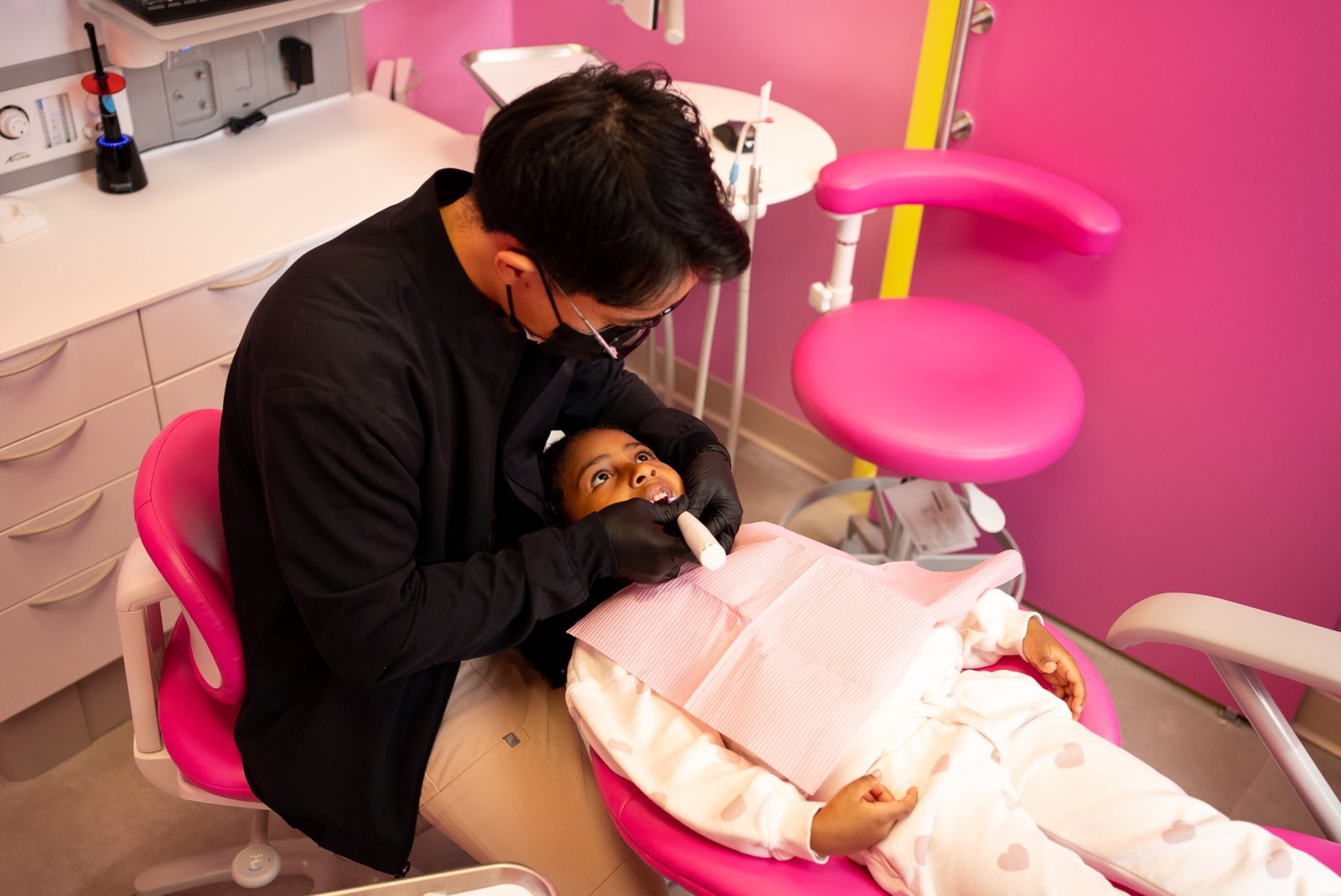
Dr. Pae operating on a patient.

Not sure if it’s time for a visit? Paper Planes Pediatric Dentistry in Garden City, NY shares 10 signs your child needs to see a pediatric dentist soon.

Thin decorative divider with small icons, creating visual separation and playful design element across website section.

Quick answer: Most of the time, a twice-yearly checkup is all your child needs. But a few signs are worth a call sooner: tooth or jaw pain, white or brown spots on a tooth, bleeding or swollen gums, persistent bad breath, a baby tooth that looks loose or discolored well before it’s due, mouth breathing or snoring, and teeth grinding at night. Any one of these on its own is reason enough to schedule a visit rather than wait for the next routine appointment.

Parents in Garden City and Great Neck ask us some version of the same question at almost every visit: how do I know if this is something that needs an appointment, or if it can just wait until the next checkup? Kids aren’t always great at describing dental pain, and early problems often show up as a behavior change before they show up as a complaint. Here are 10 signs worth paying attention to, and what each one usually means.

Why Catching These Signs Early Matters

Baby teeth and the gums, jaw, and bite around them are all still developing, so small problems tend to grow faster in children than in adults. A cavity that would take years to become a real problem in an adult tooth can reach the nerve of a baby tooth in a matter of months. Catching these signs early usually means a simpler, less expensive fix, and it spares your child unnecessary pain in the meantime.

1. It’s Been Six Months or More Since Their Last Checkup

The single most common reason we catch a problem early is a checkup that was already on the calendar. The American Academy of Pediatric Dentistry recommends a visit every six months for most children, since that’s roughly how long it takes early decay to progress from something invisible to something that hurts. If you’re not sure when your child was last seen, that alone is worth a call.

2. They Complain of Tooth, Gum, or Jaw Pain

Even a complaint that comes and goes is worth taking seriously. Kids sometimes describe tooth pain as a stomachache, an earache, or general crankiness rather than pointing to a specific tooth, so pain in the general area of the mouth or jaw, however they describe it, is reason enough to have it checked rather than wait to see if it happens again.

3. You Notice White, Brown, or Black Spots on a Tooth

A white or chalky spot is often the earliest visible sign of decay, before it turns into a cavity you can feel. Brown or black spots usually mean decay that’s progressed further. Either way, spots that weren’t there before are worth a look, since early decay is far easier and less expensive to treat than a cavity that’s had time to grow.

4. Their Gums Bleed or Look Swollen

A little bleeding during brushing can simply mean a spot was missed and needs gentler, more consistent attention. But gums that are consistently red, puffy, or bleed easily can point to gingivitis or plaque buildup along the gumline, both of which respond well to a professional cleaning and some coaching on technique.

5. They Have Persistent Bad Breath

Morning breath is normal. Bad breath that doesn’t improve with regular brushing, or that’s noticeable throughout the day, can be a sign of trapped food, gum inflammation, or decay between teeth where it’s harder to see. It’s an easy thing to dismiss, but it’s usually a useful early clue.

6. They Avoid Certain Foods or Chew on One Side

Kids don’t always say a tooth hurts, but they’ll often quietly work around the problem instead. Skipping crunchy or cold foods, chewing only on one side, or eating more slowly than usual can all be a child’s way of protecting a tooth that’s sensitive or painful.

7. A Baby Tooth Looks Loose or Discolored Well Before It’s Due

Baby teeth are supposed to loosen and fall out on a fairly predictable schedule, generally starting around age 6. A tooth that loosens much earlier than expected, or that turns gray or dark without an obvious injury, can mean an infection at the root that needs attention before it affects the permanent tooth developing underneath.

8. Thumb Sucking or Pacifier Use Continues Past Age 3

Sucking habits are completely normal in infants and toddlers, and most children phase them out on their own. The AAPD’s target is full cessation by age 3, since a habit that continues past that point, especially once permanent front teeth start coming in around age 6, is more likely to affect the bite, the palate, and speech.

9. They Snore, Breathe Through Their Mouth, or Sleep Restlessly

Occasional snoring during a cold isn’t unusual, but regular snoring, mouth breathing, or restless sleep can sometimes be linked to a narrow palate, airway issues, or how the jaw and teeth are developing. It’s worth mentioning at a dental visit alongside a conversation with your pediatrician.

10. They Grind Their Teeth at Night

Nighttime teeth grinding, or bruxism, is fairly common in young children and often fades on its own. But frequent or heavy grinding can wear down tooth enamel or point to a bite that’s not lining up quite right, both of which are easy to check for at a routine visit.

How We Approach These Visits at Paper Planes Pediatric Dentistry

We see families throughout Garden City and Great Neck, and our approach to any of these signs starts the same way: a calm, unhurried look at what’s actually going on before deciding what, if anything, needs to happen next. Plenty of visits end with reassurance rather than treatment. When something does need attention, catching it at the sign stage rather than the emergency stage almost always means a simpler visit for your child.

Frequently Asked Questions

How often should my child see a pediatric dentist?

Most children benefit from a checkup every six months, starting by their first birthday or within six months of their first tooth coming in, whichever happens first.

Is tooth pain always a sign of a cavity?

Not always. Pain can also come from a loose tooth, something caught between teeth, teething, or a minor injury. Even so, it’s worth having any recurring pain checked to rule out decay.

What if my child won’t say a tooth hurts?

Watch for behavior changes instead: avoiding certain foods, chewing on one side, trouble sleeping, or general irritability can all signal discomfort a young child isn’t able to describe.

Is bad breath in kids ever normal?

Occasional morning breath is normal. Bad breath that persists despite regular brushing is worth mentioning at a checkup, since it can point to decay or gum inflammation.

Should I be concerned about my child snoring?

Occasional snoring during a cold usually isn’t a concern, but regular snoring or mouth breathing is worth bringing up at both a dental visit and a pediatric appointment.

What should I do if I notice one of these signs?

Call to schedule a visit rather than waiting for the next routine checkup. Most of these signs are easier to address the earlier they’re caught.

Noticing any of these signs in your child? Contact Paper Planes Pediatric Dentistry in Garden City, NY to schedule a visit: call (516) 894-0718 or book online here). We welcome families from Garden City, Great Neck, and across Long Island.

Ready to book your child’s first visit? Our team is standing by to help you schedule a same-week appointment and verify your insurance ahead of time.

About The Doctor

Dr.-Christopher-Pae

Christopher Pae, DDS

Dr. Christopher Pae is a board-certified pediatric dentist (ABPD) and member of the American Academy of Pediatric Dentistry with almost a decade of clinical experience. A graduate of Fordham University and Stony Brook School of Dental Medicine, he founded Paper Planes Pediatric Dentistry in Garden City, NY, where he combines modern technology with a connection-first approach to make every child's dental visit warm, encouraging, and fun.

Book Your Child's First Visit

Same-week appointments available. No obligation.

More from the Flight Log

10 Signs Your Child Needs to See a Pediatric Dentist

Not sure if it’s time for a visit? Paper Planes Pediatric Dentistry in Garden City, NY shares 10 signs your child needs to see a pediatric dentist soon.

Quick answer: Most of the time, a twice-yearly checkup is all your child needs. But a few signs are worth a call sooner: tooth or jaw pain, white or brown spots on a tooth, bleeding or swollen gums, persistent bad breath, a baby tooth that looks loose or discolored well before it’s due, mouth breathing or snoring, and teeth grinding at night. Any one of these on its own is reason enough to schedule a visit rather than wait for the next routine appointment.

Parents in Garden City and Great Neck ask us some version of the same question at almost every visit: how do I know if this is something that needs an appointment, or if it can just wait until the next checkup? Kids aren’t always great at describing dental pain, and early problems often show up as a behavior change before they show up as a complaint. Here are 10 signs worth paying attention to, and what each one usually means.

Why Catching These Signs Early Matters

Baby teeth and the gums, jaw, and bite around them are all still developing, so small problems tend to grow faster in children than in adults. A cavity that would take years to become a real problem in an adult tooth can reach the nerve of a baby tooth in a matter of months. Catching these signs early usually means a simpler, less expensive fix, and it spares your child unnecessary pain in the meantime.

1. It’s Been Six Months or More Since Their Last Checkup

The single most common reason we catch a problem early is a checkup that was already on the calendar. The American Academy of Pediatric Dentistry recommends a visit every six months for most children, since that’s roughly how long it takes early decay to progress from something invisible to something that hurts. If you’re not sure when your child was last seen, that alone is worth a call.

2. They Complain of Tooth, Gum, or Jaw Pain

Even a complaint that comes and goes is worth taking seriously. Kids sometimes describe tooth pain as a stomachache, an earache, or general crankiness rather than pointing to a specific tooth, so pain in the general area of the mouth or jaw, however they describe it, is reason enough to have it checked rather than wait to see if it happens again.

3. You Notice White, Brown, or Black Spots on a Tooth

A white or chalky spot is often the earliest visible sign of decay, before it turns into a cavity you can feel. Brown or black spots usually mean decay that’s progressed further. Either way, spots that weren’t there before are worth a look, since early decay is far easier and less expensive to treat than a cavity that’s had time to grow.

4. Their Gums Bleed or Look Swollen

A little bleeding during brushing can simply mean a spot was missed and needs gentler, more consistent attention. But gums that are consistently red, puffy, or bleed easily can point to gingivitis or plaque buildup along the gumline, both of which respond well to a professional cleaning and some coaching on technique.

5. They Have Persistent Bad Breath

Morning breath is normal. Bad breath that doesn’t improve with regular brushing, or that’s noticeable throughout the day, can be a sign of trapped food, gum inflammation, or decay between teeth where it’s harder to see. It’s an easy thing to dismiss, but it’s usually a useful early clue.

6. They Avoid Certain Foods or Chew on One Side

Kids don’t always say a tooth hurts, but they’ll often quietly work around the problem instead. Skipping crunchy or cold foods, chewing only on one side, or eating more slowly than usual can all be a child’s way of protecting a tooth that’s sensitive or painful.

7. A Baby Tooth Looks Loose or Discolored Well Before It’s Due

Baby teeth are supposed to loosen and fall out on a fairly predictable schedule, generally starting around age 6. A tooth that loosens much earlier than expected, or that turns gray or dark without an obvious injury, can mean an infection at the root that needs attention before it affects the permanent tooth developing underneath.

8. Thumb Sucking or Pacifier Use Continues Past Age 3

Sucking habits are completely normal in infants and toddlers, and most children phase them out on their own. The AAPD’s target is full cessation by age 3, since a habit that continues past that point, especially once permanent front teeth start coming in around age 6, is more likely to affect the bite, the palate, and speech.

9. They Snore, Breathe Through Their Mouth, or Sleep Restlessly

Occasional snoring during a cold isn’t unusual, but regular snoring, mouth breathing, or restless sleep can sometimes be linked to a narrow palate, airway issues, or how the jaw and teeth are developing. It’s worth mentioning at a dental visit alongside a conversation with your pediatrician.

10. They Grind Their Teeth at Night

Nighttime teeth grinding, or bruxism, is fairly common in young children and often fades on its own. But frequent or heavy grinding can wear down tooth enamel or point to a bite that’s not lining up quite right, both of which are easy to check for at a routine visit.

How We Approach These Visits at Paper Planes Pediatric Dentistry

We see families throughout Garden City and Great Neck, and our approach to any of these signs starts the same way: a calm, unhurried look at what’s actually going on before deciding what, if anything, needs to happen next. Plenty of visits end with reassurance rather than treatment. When something does need attention, catching it at the sign stage rather than the emergency stage almost always means a simpler visit for your child.

Frequently Asked Questions

How often should my child see a pediatric dentist?

Most children benefit from a checkup every six months, starting by their first birthday or within six months of their first tooth coming in, whichever happens first.

Is tooth pain always a sign of a cavity?

Not always. Pain can also come from a loose tooth, something caught between teeth, teething, or a minor injury. Even so, it’s worth having any recurring pain checked to rule out decay.

What if my child won’t say a tooth hurts?

Watch for behavior changes instead: avoiding certain foods, chewing on one side, trouble sleeping, or general irritability can all signal discomfort a young child isn’t able to describe.

Is bad breath in kids ever normal?

Occasional morning breath is normal. Bad breath that persists despite regular brushing is worth mentioning at a checkup, since it can point to decay or gum inflammation.

Should I be concerned about my child snoring?

Occasional snoring during a cold usually isn’t a concern, but regular snoring or mouth breathing is worth bringing up at both a dental visit and a pediatric appointment.

What should I do if I notice one of these signs?

Call to schedule a visit rather than waiting for the next routine checkup. Most of these signs are easier to address the earlier they’re caught.

Noticing any of these signs in your child? Contact Paper Planes Pediatric Dentistry in Garden City, NY to schedule a visit: call (516) 894-0718 or book online here). We welcome families from Garden City, Great Neck, and across Long Island.
Previous Post
Next Post

Ready to Help Your Child’s Smile Take Flight?

Nothing beats a personalized care plan designed just for your little one’s unique smile. Whether it’s time for a routine cleaning or you just want a welcoming, stress-free space to ask a few questions, our team right here in Garden City is ready to make their next dental visit an absolute breeze.

Where healthy smiles take flight.

Contact Info

Sunday - Friday: 10 AM - 6 PM

Saturday: 9 AM – 5 PM

Paper Planes Pediatric Dentistry © 2026. All rights reserved. | Developed by WeCapture Dental. | Privacy PolicyTerms & Conditions – Accessibility Statement

Privacy PolicyTerms & Conditions
Accessibility Statement | Paper Planes Pediatric Dentistry © 2026. All rights reserved. | Developed by WeCapture Dental.