



Are Sports Mouthguards Really Necessary for Kids?

Dr.-Christopher-Pae-avatar
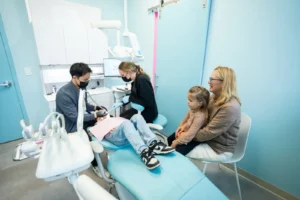
Modern pediatric dental clinic interior showcasing a clean, welcoming environment designed for children and the families.
Thin decorative divider with small icons, creating visual separation and playful design element across website section.

Quick answer: Yes, and the evidence isn’t close. A meta-analysis cited by the American Dental Association found athletes wearing mouthguards were 82% to 93% less likely to suffer a dental or facial injury, and those without one had more than double the risk. The AAPD recommends properly fitted mouthguards be required in organized sports where injury is a real risk, and they’re worth wearing in more sports than parents expect, including baseball, gymnastics, skateboarding, and skiing. A custom mouthguard fits best and gets worn most consistently, but a boil-and-bite guard your child actually wears beats a custom one left in the bag.

Sports gear is a long list, and the mouthguard is the easiest thing on it to skip. It’s small, kids complain about it, and plenty of leagues don’t require one. So it’s fair to ask whether it’s really doing anything, or whether it’s one more thing to buy and lose by October. Here’s what the research shows, which sports matter, and how to pick a guard your child will keep in.

What the Evidence Actually Says

This is one of the few areas of pediatric dentistry where the numbers settle the argument quickly. A meta-analysis referenced by the ADA found mouthguard users were 82% to 93% less likely to suffer dentofacial injuries. Separate research found athletes who skipped one carried more than twice the risk of an orofacial injury, and a study of college basketball players found dental injury rates five times lower among those wearing custom guards.

The AAPD takes the same position, calling mouthguards a proven protective device and recommending that properly fitted ones be mandated in organized sports carrying a risk of injury. The stakes are unusually high for a front tooth. A knocked-out permanent tooth doesn’t grow back, and replacing one in a child usually means a temporary fix through the teenage years and a permanent restoration later, since implants have to wait until jaw growth finishes.

Which Sports Actually Need One

Most parents think of football and hockey. The list is longer than that.

  • Collision and contact sports: football, ice hockey, lacrosse, field hockey, boxing, wrestling, rugby, and martial arts. The AAPD names several of these specifically.
  • Limited-contact sports the ADA still recommends a guard for: basketball, baseball and softball, soccer, volleyball, skateboarding, skiing and snowboarding, and gymnastics.
  • The ones that surprise people: the ADA notes dental injuries happen in non-contact activities too, including gymnastics and skating. Elbows, floors, and handlebars do plenty of damage without an opposing player involved.

For baseball and softball, the AAPD also recommends an ASTM-certified face protector, which does a job a mouthguard alone can’t.

The Three Types, and What You Get for the Money

Stock Mouthguards

Ready to wear out of the package and the cheapest option by a wide margin. They’re also the least effective. Nothing about the fit is adjustable, so they’re bulky, they interfere with breathing and speech, and they have to be held in place by clenching. Kids notice all of it, and the guard ends up out of the mouth. Better than nothing in a pinch, but not a plan.

Boil-and-Bite Mouthguards

Softened in hot water, then bitten into for a rough impression of the teeth. Widely available, moderately priced, and a real step up from stock in both fit and protection. A sensible choice for a child mid growth spurt, a sport they may not stick with, or a family that wants protection now without a dental visit first. Fit degrades over time, so replace it more often.

Custom-Fitted Mouthguards

Made by your dentist from an impression or scan of your child’s teeth. The ADA is direct about it: the best mouthguard is one custom made for your mouth by your dentist. It costs the most, but it’s thinner where it can be, thicker where it needs to be, and stays put without clenching. The real advantage is compliance. A guard that’s comfortable and doesn’t interfere with talking or breathing is one that stays in during the fourth quarter, and a mouthguard in a gym bag protects nothing.

What About Concussions?

Here we’ll be more careful than a lot of what you’ll read online. Mouthguards are sometimes marketed as concussion prevention, and that evidence is mixed. Some studies suggest a modest effect, others don’t, and the ADA’s position is that more research is needed before anyone can claim mouthguards reduce concussion risk. Buy one to protect teeth, lips, and jaws, which is well established. Don’t buy one instead of a properly fitted helmet.

Mouthguards and Braces

If your child has braces, a mouthguard matters more, not less. A blow to the mouth with brackets in place can turn a manageable injury into a serious laceration of the lips and cheeks, and it can wreck the appliance. A well-fitted guard protects the teeth and the orthodontic work at once. Ask whether your child needs coverage on the lower teeth too, which is common with braces. One rule worth knowing: removable appliances and retainers should never be worn during contact sports.

Braces move teeth continuously, so fit changes over the course of treatment. Check it regularly rather than assuming a guard that fit in September still fits in January.

Keeping It Clean and Knowing When to Replace It

A mouthguard lives in a warm, wet gym bag, which is exactly where bacteria like to be. The ADA’s care routine is simple:

  • Rinse it before and after every use
  • Clean it with cool, soapy water and let it dry fully before storing
  • Keep it in a sturdy, vented container so it can breathe
  • Never leave it in direct sun or hot water, both of which warp the fit

Replace it when it looks worn or torn, stops fitting snugly, or your child says it feels loose. Kids and teens need replacements more often than adults, because their mouths are still growing and new teeth keep arriving. Checking the fit at the start of each season is the right rhythm, and families in Garden City and Manhasset often fold it into a summer checkup before fall sports start.

If a Tooth Gets Knocked Out Anyway

No mouthguard is a guarantee. If a tooth does get knocked out, what you do in the first hour matters enormously, and the steps differ for a baby tooth versus a permanent one. Our parent’s guide to dental emergencies covers both, and it’s worth reading before you need it rather than during.

How We Approach Mouthguards at Paper Planes Pediatric Dentistry

We fit custom mouthguards, and we’ll also tell you when a boil-and-bite is the sensible call, like a first season in a new sport or a child who’ll outgrow a custom guard by spring. What matters is that your child wears something, consistently, in the sports that warrant it. For fall sports, late summer is easiest, since we can fit a guard at the same checkup that clears the rest of the back-to-school dental list.

Frequently Asked Questions

Do kids really need a mouthguard for non-contact sports?

Often, yes. The ADA recommends mouthguards for limited-contact activities including basketball, baseball, volleyball, skateboarding, skiing, and gymnastics, and notes that dental injuries happen in non-contact activities too.

Is a custom mouthguard worth the extra cost?

For a child playing a full season in a contact sport, usually yes. Custom guards fit better, interfere less with breathing and speech, and get worn more consistently. One study found dental injury rates five times lower among custom mouthguard users.

At what age should a child start wearing a mouthguard?

As soon as they start playing an organized sport where mouth injuries are a risk. That includes kids who still have baby teeth, since a knocked-out baby tooth can affect the permanent tooth developing underneath it.

Can my child wear a mouthguard with braces?

Yes, and they should. A mouthguard protects both the teeth and the braces, and can prevent brackets from cutting the lips and cheeks on impact. Ask whether coverage is needed on the lower teeth too.

Do mouthguards prevent concussions?

The evidence is mixed and the ADA says more research is needed. Wear one to protect teeth, lips, and jaws, and rely on a properly fitted helmet for head protection rather than a mouthguard.

How often should a mouthguard be replaced?

Whenever it looks worn or torn or stops fitting snugly. Growing children usually need one more often than adults, so checking the fit at the start of every season is a good habit.

What if my child says the mouthguard is uncomfortable?

Take it seriously, because an uncomfortable guard ends up in the gym bag. It usually means the fit is wrong, the guard is too bulky, or it has been outgrown. A refit or a custom guard normally solves it.

Fall sports coming up? Contact Paper Planes Pediatric Dentistry in Garden City, NY to schedule a checkup or a mouthguard fitting: call (516) 894-0718 or book online here). We welcome families from Garden City, Manhasset, and across Long Island.

Ready to book your child’s first visit? Our team is standing by to help you schedule a same-week appointment and verify your insurance ahead of time.

About The Doctor

Dr.-Christopher-Pae

Christopher Pae, DDS

Dr. Christopher Pae is a board-certified pediatric dentist (ABPD) and member of the American Academy of Pediatric Dentistry with almost a decade of clinical experience. A graduate of Fordham University and Stony Brook School of Dental Medicine, he founded Paper Planes Pediatric Dentistry in Garden City, NY, where he combines modern technology with a connection-first approach to make every child's dental visit warm, encouraging, and fun.

Book Your Child's First Visit

Same-week appointments available. No obligation.

More from the Flight Log

Are Sports Mouthguards Really Necessary for Kids?

Quick answer: Yes, and the evidence isn’t close. A meta-analysis cited by the American Dental Association found athletes wearing mouthguards were 82% to 93% less likely to suffer a dental or facial injury, and those without one had more than double the risk. The AAPD recommends properly fitted mouthguards be required in organized sports where injury is a real risk, and they’re worth wearing in more sports than parents expect, including baseball, gymnastics, skateboarding, and skiing. A custom mouthguard fits best and gets worn most consistently, but a boil-and-bite guard your child actually wears beats a custom one left in the bag.

Sports gear is a long list, and the mouthguard is the easiest thing on it to skip. It’s small, kids complain about it, and plenty of leagues don’t require one. So it’s fair to ask whether it’s really doing anything, or whether it’s one more thing to buy and lose by October. Here’s what the research shows, which sports matter, and how to pick a guard your child will keep in.

What the Evidence Actually Says

This is one of the few areas of pediatric dentistry where the numbers settle the argument quickly. A meta-analysis referenced by the ADA found mouthguard users were 82% to 93% less likely to suffer dentofacial injuries. Separate research found athletes who skipped one carried more than twice the risk of an orofacial injury, and a study of college basketball players found dental injury rates five times lower among those wearing custom guards.

The AAPD takes the same position, calling mouthguards a proven protective device and recommending that properly fitted ones be mandated in organized sports carrying a risk of injury. The stakes are unusually high for a front tooth. A knocked-out permanent tooth doesn’t grow back, and replacing one in a child usually means a temporary fix through the teenage years and a permanent restoration later, since implants have to wait until jaw growth finishes.

Which Sports Actually Need One

Most parents think of football and hockey. The list is longer than that.

  • Collision and contact sports: football, ice hockey, lacrosse, field hockey, boxing, wrestling, rugby, and martial arts. The AAPD names several of these specifically.
  • Limited-contact sports the ADA still recommends a guard for: basketball, baseball and softball, soccer, volleyball, skateboarding, skiing and snowboarding, and gymnastics.
  • The ones that surprise people: the ADA notes dental injuries happen in non-contact activities too, including gymnastics and skating. Elbows, floors, and handlebars do plenty of damage without an opposing player involved.

For baseball and softball, the AAPD also recommends an ASTM-certified face protector, which does a job a mouthguard alone can’t.

The Three Types, and What You Get for the Money

Stock Mouthguards

Ready to wear out of the package and the cheapest option by a wide margin. They’re also the least effective. Nothing about the fit is adjustable, so they’re bulky, they interfere with breathing and speech, and they have to be held in place by clenching. Kids notice all of it, and the guard ends up out of the mouth. Better than nothing in a pinch, but not a plan.

Boil-and-Bite Mouthguards

Softened in hot water, then bitten into for a rough impression of the teeth. Widely available, moderately priced, and a real step up from stock in both fit and protection. A sensible choice for a child mid growth spurt, a sport they may not stick with, or a family that wants protection now without a dental visit first. Fit degrades over time, so replace it more often.

Custom-Fitted Mouthguards

Made by your dentist from an impression or scan of your child’s teeth. The ADA is direct about it: the best mouthguard is one custom made for your mouth by your dentist. It costs the most, but it’s thinner where it can be, thicker where it needs to be, and stays put without clenching. The real advantage is compliance. A guard that’s comfortable and doesn’t interfere with talking or breathing is one that stays in during the fourth quarter, and a mouthguard in a gym bag protects nothing.

What About Concussions?

Here we’ll be more careful than a lot of what you’ll read online. Mouthguards are sometimes marketed as concussion prevention, and that evidence is mixed. Some studies suggest a modest effect, others don’t, and the ADA’s position is that more research is needed before anyone can claim mouthguards reduce concussion risk. Buy one to protect teeth, lips, and jaws, which is well established. Don’t buy one instead of a properly fitted helmet.

Mouthguards and Braces

If your child has braces, a mouthguard matters more, not less. A blow to the mouth with brackets in place can turn a manageable injury into a serious laceration of the lips and cheeks, and it can wreck the appliance. A well-fitted guard protects the teeth and the orthodontic work at once. Ask whether your child needs coverage on the lower teeth too, which is common with braces. One rule worth knowing: removable appliances and retainers should never be worn during contact sports.

Braces move teeth continuously, so fit changes over the course of treatment. Check it regularly rather than assuming a guard that fit in September still fits in January.

Keeping It Clean and Knowing When to Replace It

A mouthguard lives in a warm, wet gym bag, which is exactly where bacteria like to be. The ADA’s care routine is simple:

  • Rinse it before and after every use
  • Clean it with cool, soapy water and let it dry fully before storing
  • Keep it in a sturdy, vented container so it can breathe
  • Never leave it in direct sun or hot water, both of which warp the fit

Replace it when it looks worn or torn, stops fitting snugly, or your child says it feels loose. Kids and teens need replacements more often than adults, because their mouths are still growing and new teeth keep arriving. Checking the fit at the start of each season is the right rhythm, and families in Garden City and Manhasset often fold it into a summer checkup before fall sports start.

If a Tooth Gets Knocked Out Anyway

No mouthguard is a guarantee. If a tooth does get knocked out, what you do in the first hour matters enormously, and the steps differ for a baby tooth versus a permanent one. Our parent’s guide to dental emergencies covers both, and it’s worth reading before you need it rather than during.

How We Approach Mouthguards at Paper Planes Pediatric Dentistry

We fit custom mouthguards, and we’ll also tell you when a boil-and-bite is the sensible call, like a first season in a new sport or a child who’ll outgrow a custom guard by spring. What matters is that your child wears something, consistently, in the sports that warrant it. For fall sports, late summer is easiest, since we can fit a guard at the same checkup that clears the rest of the back-to-school dental list.

Frequently Asked Questions

Do kids really need a mouthguard for non-contact sports?

Often, yes. The ADA recommends mouthguards for limited-contact activities including basketball, baseball, volleyball, skateboarding, skiing, and gymnastics, and notes that dental injuries happen in non-contact activities too.

Is a custom mouthguard worth the extra cost?

For a child playing a full season in a contact sport, usually yes. Custom guards fit better, interfere less with breathing and speech, and get worn more consistently. One study found dental injury rates five times lower among custom mouthguard users.

At what age should a child start wearing a mouthguard?

As soon as they start playing an organized sport where mouth injuries are a risk. That includes kids who still have baby teeth, since a knocked-out baby tooth can affect the permanent tooth developing underneath it.

Can my child wear a mouthguard with braces?

Yes, and they should. A mouthguard protects both the teeth and the braces, and can prevent brackets from cutting the lips and cheeks on impact. Ask whether coverage is needed on the lower teeth too.

Do mouthguards prevent concussions?

The evidence is mixed and the ADA says more research is needed. Wear one to protect teeth, lips, and jaws, and rely on a properly fitted helmet for head protection rather than a mouthguard.

How often should a mouthguard be replaced?

Whenever it looks worn or torn or stops fitting snugly. Growing children usually need one more often than adults, so checking the fit at the start of every season is a good habit.

What if my child says the mouthguard is uncomfortable?

Take it seriously, because an uncomfortable guard ends up in the gym bag. It usually means the fit is wrong, the guard is too bulky, or it has been outgrown. A refit or a custom guard normally solves it.

Fall sports coming up? Contact Paper Planes Pediatric Dentistry in Garden City, NY to schedule a checkup or a mouthguard fitting: call (516) 894-0718 or book online here). We welcome families from Garden City, Manhasset, and across Long Island.
Previous Post
Next Post

Ready to Help Your Child’s Smile Take Flight?

Nothing beats a personalized care plan designed just for your little one’s unique smile. Whether it’s time for a routine cleaning or you just want a welcoming, stress-free space to ask a few questions, our team right here in Garden City is ready to make their next dental visit an absolute breeze.

Where healthy smiles take flight.

Contact Info

Sunday - Friday: 10 AM - 6 PM

Saturday: 9 AM – 5 PM

Paper Planes Pediatric Dentistry © 2026. All rights reserved. | Developed by WeCapture Dental. | Privacy PolicyTerms & Conditions – Accessibility Statement

Privacy PolicyTerms & Conditions
Accessibility Statement | Paper Planes Pediatric Dentistry © 2026. All rights reserved. | Developed by WeCapture Dental.