

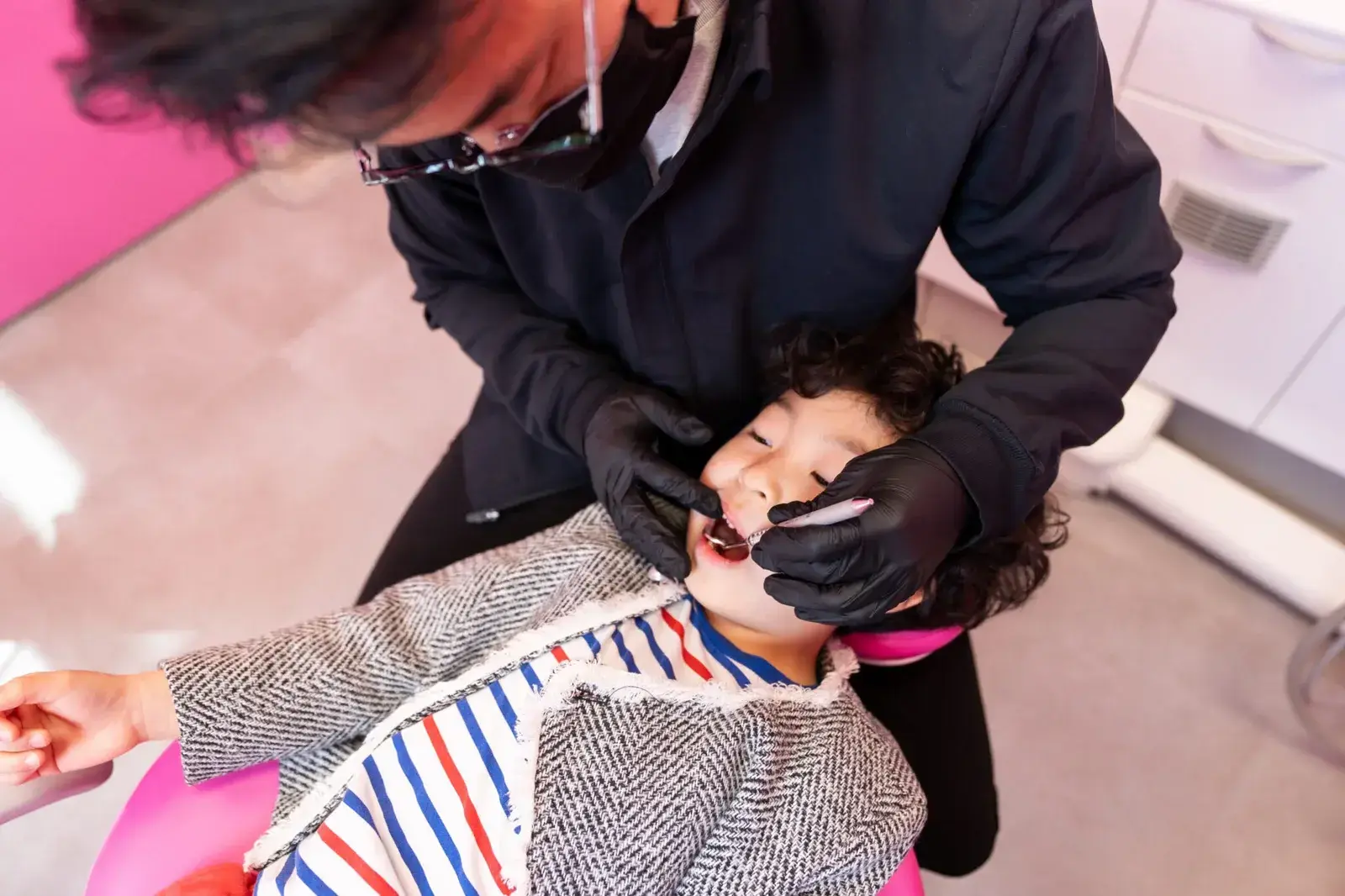

Quick answer: The fastest way to end toothbrushing battles is to make brushing predictable, playful, and short. Give your child a real choice (their brush, their flavor, who goes first), turn the two minutes into a game with a song, a timer, or a “sugar bug” hunt, and always finish the job yourself, since most kids don’t have the coordination to brush well until around age 7 or 8. Brush twice a day for two minutes, using a rice-grain smear of fluoride toothpaste under age 3 and a pea-sized amount from age 3 on, and have your child spit without rinsing. Consistency matters more than any one perfect session.
Almost every parent of a toddler has had the same evening: the toothbrush comes out, and a cheerful two-year-old turns into a clamped-shut, head-turning negotiator. If that sounds familiar, you’re not doing anything wrong. Resisting toothbrushing is developmentally normal, and it’s one of the most common things parents bring up at checkups. The goal isn’t to win the standoff. It’s to make brushing something your child doesn’t think to fight in the first place.
Why Brushing Turns Into a Battle
Knowing what’s behind the resistance makes it much easier to solve. For most young children, it comes down to a few things:
- Control. Toddlers are wired to test independence, and brushing is something done to them rather than by them.
- Sensory discomfort. Bristles, foam, mint flavor, and the feeling of something in the mouth genuinely bother some kids.
- Timing. Brushing usually lands at the end of the day, when a tired child has the least patience left.
- Unpredictability. If brushing looks different every night, it feels like a negotiation every night.
None of these respond well to pressure. All of them respond well to routine and play.
How Much to Brush, and How Much Toothpaste, at Each Age
Before making it fun, it helps to know what you’re aiming for. Here’s the current guidance from the American Academy of Pediatric Dentistry (AAPD) and the American Dental Association (ADA):
- Before the first tooth: Wipe your baby’s gums with a clean, damp cloth or a soft infant brush.
- First tooth to age 3: Brush twice a day with a smear of fluoride toothpaste about the size of a grain of rice.
- Ages 3 to 6: Move up to a pea-sized amount of fluoride toothpaste, still twice a day.
- Once two teeth touch: Start cleaning between them daily with floss or floss picks.
- Two minutes, twice a day: Morning and before bed, and the bedtime session is the one you never skip.
- Spit, don’t rinse: Spitting without rinsing leaves a protective layer of fluoride on the teeth. Teach spitting as soon as your child can manage it.
- Keep helping: The ADA advises brushing your child’s teeth for them until you’re confident they can do a thorough job alone, which is usually somewhere around age 7 or 8.
8 Ways to Make Brushing Fun for Toddlers and Young Children
These are the strategies that work best for the families we see, and most of them don’t cost anything.
1. Let Your Child Pick the Toothbrush and Toothpaste
A brush with a favorite character and a toothpaste flavor they chose themselves give a child ownership of the routine. Look for a soft-bristled brush sized for their age, and if mint is the sticking point, try a milder fruit-flavored fluoride toothpaste instead. Offering a choice between two acceptable options works far better than asking whether they want to brush at all.
2. Use a Song or Timer to Get Through Two Minutes
Two minutes feels endless to a four-year-old with nothing to measure it by. A favorite song, a two-minute brushing playlist, a sand timer they can watch, or a free brushing app with a countdown all turn an open-ended chore into something with a visible finish line. Plenty of kids will keep brushing simply because the song isn’t over yet.
3. Turn Brushing Into a Sugar Bug Hunt
Give the plaque a name. Tell your child there are “sugar bugs” hiding on the back teeth, then narrate the hunt while you brush. Announcing that you found one, or that one is still hiding behind a molar, keeps their mouth open longer than any instruction would.
4. Let Them Brush First, Then You Finish
Let your child brush first so they get the independence they’re after, then tell them it’s your turn to check the ones in the back. That satisfies the need for control while making sure the teeth actually get clean. Going second matters, because the adult pass is the one that does the real work.
5. Brush Your Own Teeth at the Same Time
Young children copy what they see far more reliably than what they’re told. Brushing your own teeth beside them, at the same mirror, makes brushing look like something everyone does rather than a rule aimed at them. Sibling brushing sessions work the same way.
6. Change the Position or the Time of Day
Nothing says brushing has to happen standing at a bathroom sink. Some toddlers do much better lying down with their head in your lap, which gives you a clear view and a steadier position. Others do better sitting on the counter facing a mirror, where they can watch. If evenings are a battle, try moving brushing earlier in the bedtime routine, before your child is completely worn out.
7. Let Them Brush a Stuffed Animal’s Teeth First
Playing dentist on a stuffed animal or doll lowers the stakes, gives your child a chance to rehearse, and often makes them curious to take their own turn. It’s also a gentle way to introduce what happens at a dental visit.
8. Use a Sticker Chart, But Only Briefly
A simple chart with a sticker for each session gives young kids a visible sense of progress. Charts work best as a short-term tool over a few weeks to establish the habit, then quietly retire once brushing becomes automatic. Praise for effort holds up better than rewards that have to keep escalating.
Common Mistakes That Make Brushing Harder
A few habits quietly undermine an otherwise good routine:
- Using too much toothpaste. More foam doesn’t clean better, and it makes the whole experience unpleasant.
- Rinsing with water right after brushing. It washes away the fluoride that’s doing the work.
- Handing over full control too early. A four-year-old who insists on brushing alone isn’t brushing effectively yet, however enthusiastic they are.
- Skipping the bedtime session. Saliva flow drops overnight, which makes nighttime brushing the most important one of the day.
- Using brushing as a threat or a punishment. Tying the toothbrush to consequences teaches a child that brushing is something bad.
- Renegotiating every night. The more consistent and boring the routine, the less there is to argue about.
What to Do When Your Child Still Refuses
Some nights nothing works. A few things help:
- Keep it short. A calm 30 seconds on the teeth most likely to decay beats a five-minute struggle and no brushing at all.
- Stay neutral. Frustration raises the stakes and gives the resistance a payoff.
- Try a two-adult approach during a hard phase. One person holds and comforts while the other brushes quickly. It isn’t a long-term plan, but it gets teeth clean through a rough stretch.
- Don’t skip entirely to keep the peace. A short, imperfect brushing still removes plaque.
- Use a cloth as a backup. For a child who won’t tolerate a brush at all, clean gauze or a washcloth on the teeth beats nothing while you rebuild the routine.
Refusal that comes with pain, bleeding gums, white or brown spots on a tooth, or strong gagging is worth a call rather than a workaround. Those are signs of something beyond a normal toddler phase, and our guide to the signs your child needs to see a pediatric dentist covers what each one usually means.
How We Approach Brushing at Paper Planes Pediatric Dentistry
Brushing struggles come up in almost every appointment we have with parents of toddlers in Garden City and Mineola, and we treat them as a normal part of early childhood rather than a discipline problem. At checkups we show kids how to brush in a way that makes sense to them, check whether the technique at home is reaching the surfaces that matter, and work with parents on a routine that fits their child’s temperament. Hearing it from a dentist also carries surprising weight with a child who’s stopped listening to the same message at home.
Frequently Asked Questions
At what age should I start brushing my child’s teeth?
Wipe your baby’s gums with a soft cloth from birth, and start brushing with a smear of fluoride toothpaste as soon as the first tooth comes in, usually around 6 months.
How much toothpaste should a toddler use?
Under age 3, use a smear about the size of a grain of rice. From age 3 to 6, a pea-sized amount is right. Both should be fluoride toothpaste.
How long should my child brush?
Two minutes, twice a day. A song, a timer, or a brushing app makes that much easier to reach with a young child.
My toddler clamps their mouth shut and screams. What can I do?
Keep the session short and calm, offer a choice between two brushes or flavors, try lying them down with their head in your lap, and let them brush first while you finish. Consistency matters more than any single perfect session.
When can my child brush their own teeth?
Kids can start brushing themselves as toddlers, but most don’t have the coordination to do it thoroughly until around age 7 or 8. Keep doing a follow-up pass until you’re confident they’re reaching every surface.
Are electric toothbrushes better for kids?
Either works when it’s used correctly. Electric brushes with built-in timers do help some children brush longer, and the buzzing appeals to kids who find manual brushing boring. Use one sized for your child’s age.
Should my child rinse with water after brushing?
No. Have them spit out the excess and skip the rinse, so the fluoride stays on the teeth and keeps working.
Struggling to get your child to brush? Contact Paper Planes Pediatric Dentistry in Garden City, NY to schedule a checkup: call (516) 894-0718 or book online here). We welcome families from Garden City, Mineola, and across Long Island.